

Most interior design looks its best on screen — before a contractor touches it. Multi-Construction Co. delivers interior design across New York City with construction knowledge built into every decision, from layout and material selection through board approval and final execution. From Manhattan co-ops to Brooklyn brownstones, your vision stays intact from concept to completion — because the team that designs it is the team that builds it.

"It is more than a passion project. It is more than a creative vision realized. It is Multi."
— Multi Construction Co.

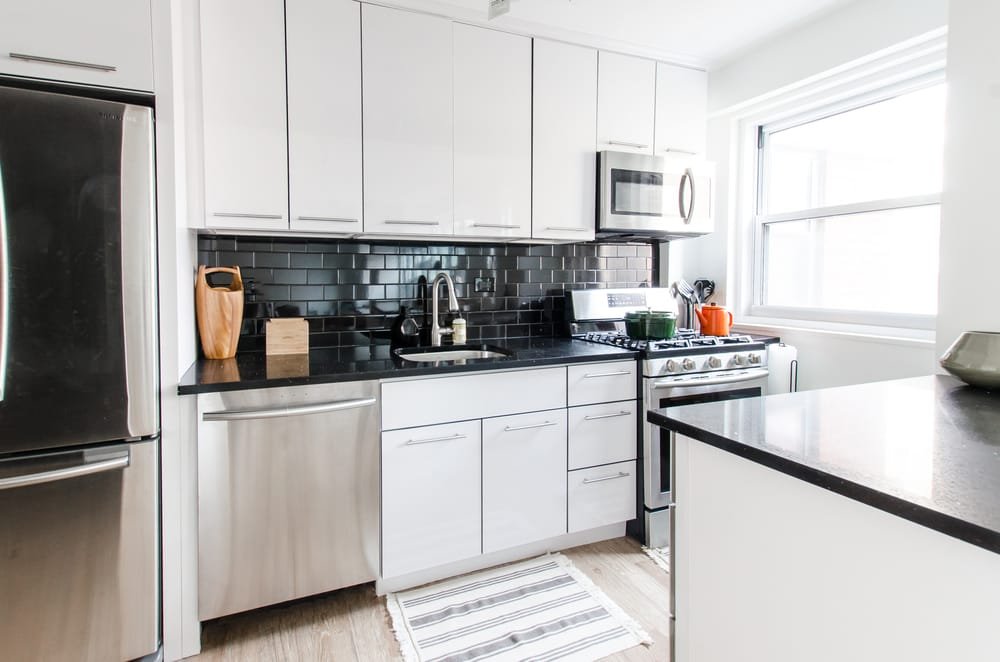
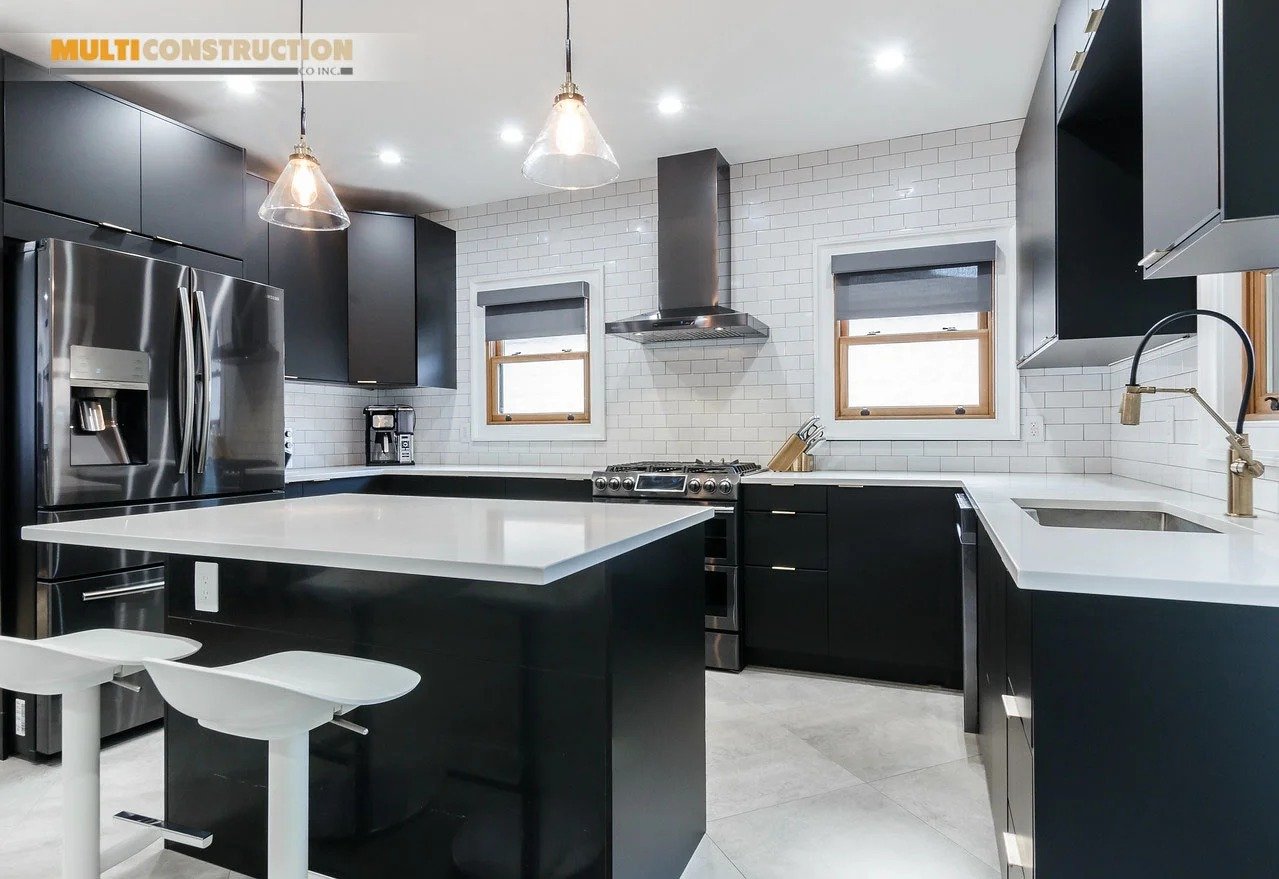
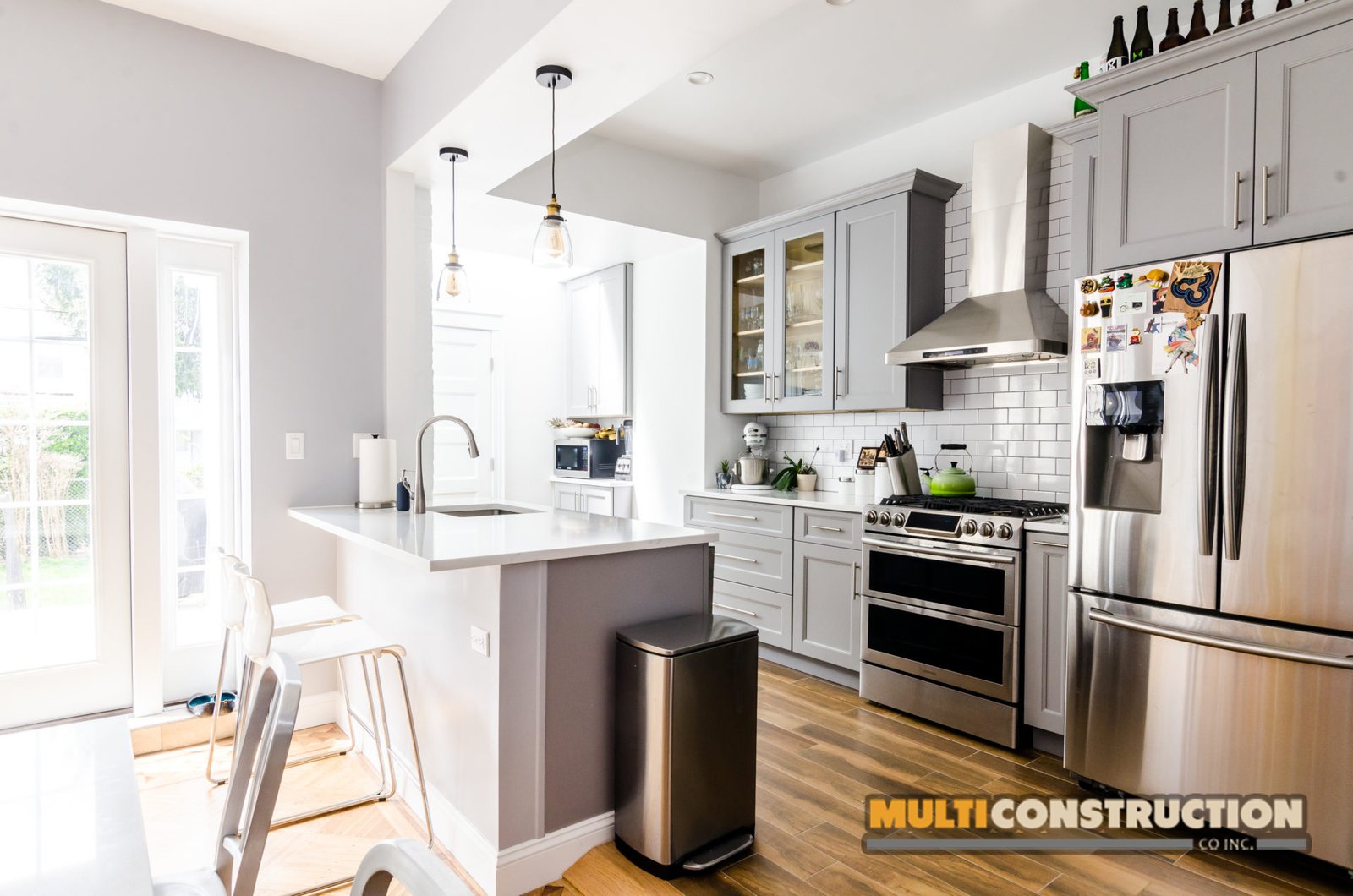
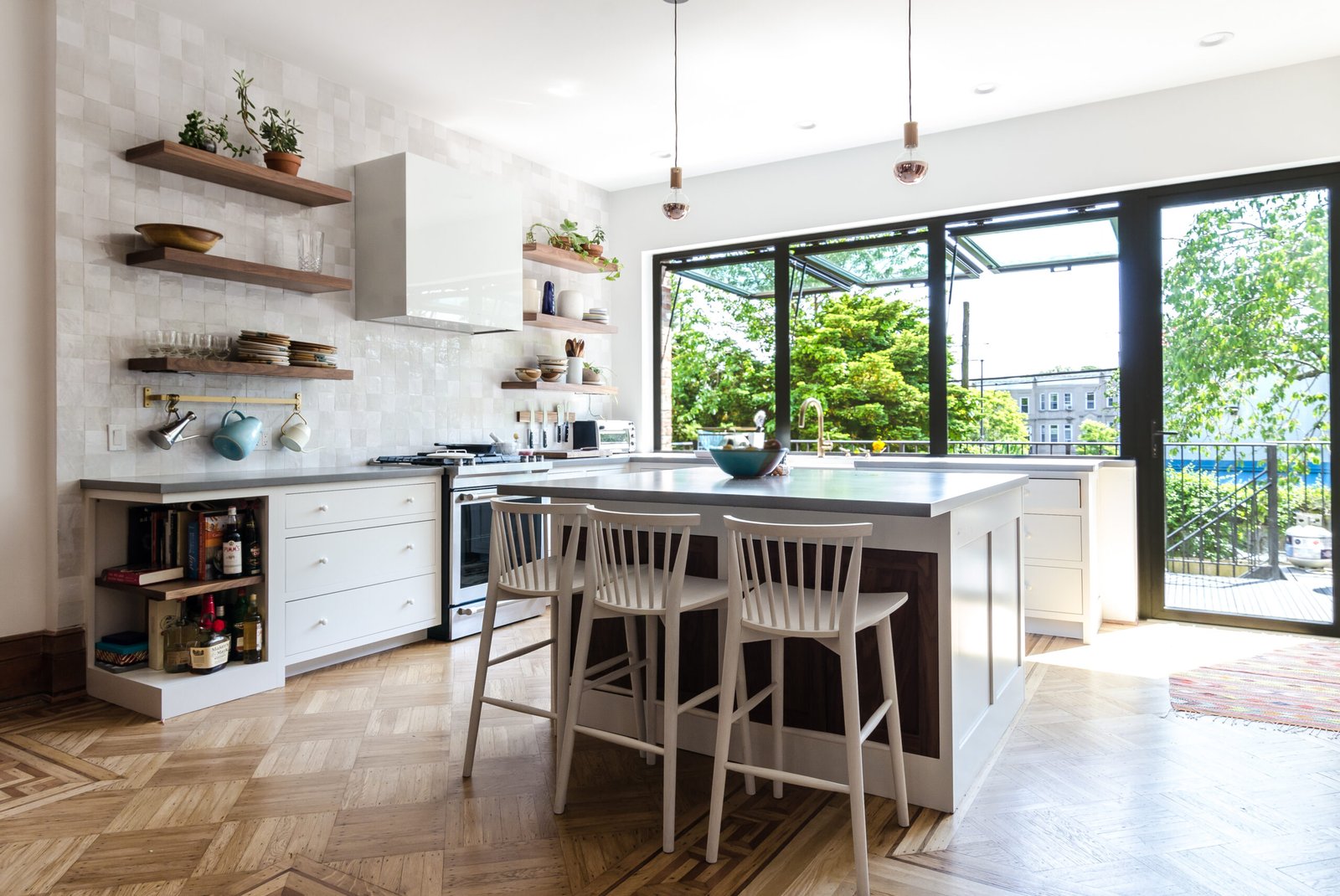
Our interior design scope is built around decisions that directly affect how a space looks, functions, and gets approved. Every element below is developed with construction feasibility as a non-negotiable constraint.
01
Layouts are designed for how a space is actually lived in — proportion, circulation, and daily function — while remaining structurally and logistically executable within NYC building conditions.
02
Materials are specified for durability, performance, and visual coherence — not catalog availability. Flooring, wall finishes, tile, and surfaces are chosen with real-world maintenance and long-term appearance in mind.
03
Cabinetry, storage, and millwork are designed as architectural elements, not furniture. Proportions are coordinated with existing conditions so built-ins feel integral to the space rather than installed inside it.
04
Bathrooms and kitchens are designed around moisture control as a priority. Finishes and layouts are coordinated with waterproofing systems from the start — not reconciled with them after design is complete.
05
Joint placement, edge conditions, and material transitions are resolved before installation begins. Tile layout decisions are visual and technical simultaneously — both are addressed in planning.
06
Fixture placement and electrical layout are developed alongside the interior design — not assigned to an electrician after the design is finished. This is how ceiling and wall lines stay clean and lighting performs as intended.
07
Materials, proportions, and transitions are reviewed across every room as a unified system. A home that feels cohesive is designed that way — not assembled room by room and hoped to connect.
08
Every design decision is documented to a level that supports accurate on-site execution. For board submissions, the same documentation meets co-op and condo review requirements without a separate preparation phase.
The construction process begins after every decision has been finalized.
We review the space, how it is used, and what the building will permit. Design direction is established against real constraints — not adjusted for them later.
Layouts, materials, and interior details are resolved to a construction-ready level. Where decisions benefit from visual confirmation, 3D visualization is used before anything is committed to construction.
Design documentation is prepared for co-op board, condo board, or DOB review as required. This is part of our standard process — not an additional engagement.
Design intent is carried directly into execution by the same team. No translation between designer and builder. What was designed is what gets built.
Thorough walkthrough before the project closes. All outstanding items resolved, permits closed with NYC DOB, and full documentation provided to you.
Brownstones across New York City are not uniform. Borough, block, decade of construction, and current configuration each affect what a renovation requires. We work across the full range.
Original proportions, plaster walls, and period detail are treated as design assets. Modern systems and finishes are integrated without erasing the character that makes these apartments worth renovating.
Efficient layouts are given warmth, proportion, and material depth. The starting point is better bones than pre-war — the opportunity is making them feel considered.
Narrow footprints, vertical circulation, and limited natural light are design problems before they are construction problems. Layouts and material selections are developed specifically around these constraints.
01
Renovation plans are developed with actual structural and building constraints in mind, which reduces revisions once construction is underway.
02
Planning, coordination, and construction are managed under one accountable team — eliminating the hand-offs that cause miscommunication and delay.
03
Decades of experience with apartments, co-ops, condos, and brownstones informs every decision we make.
04
Finishes are chosen for durability and long-term behavior—not short-term visual appeal.
05
Structured oversight and consistent communication keep every project controlled from start to finish.
Home renovation in NYC, planned to a build-ready level before construction begins.
Slide To Explore
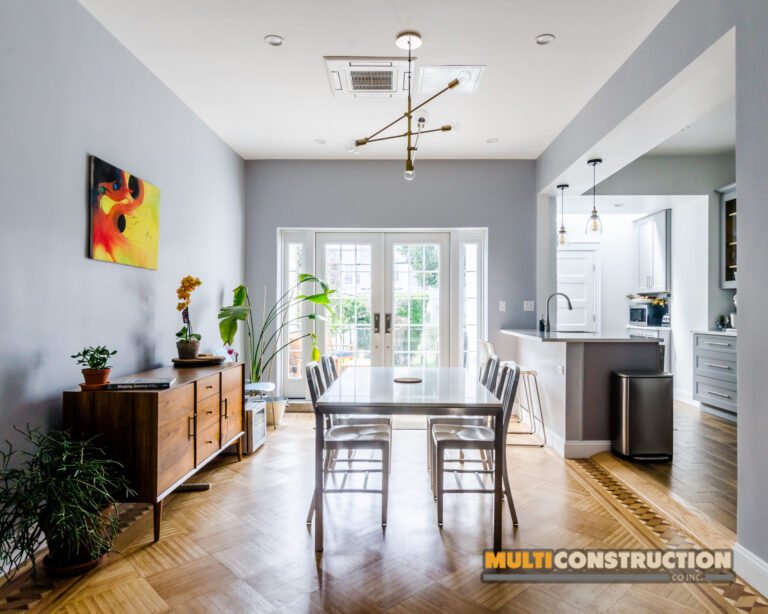
A complete renovation of a Brooklyn townhouse brownstone, transforming an outdated interior into a modern, elegant living space while preserving its classic character.
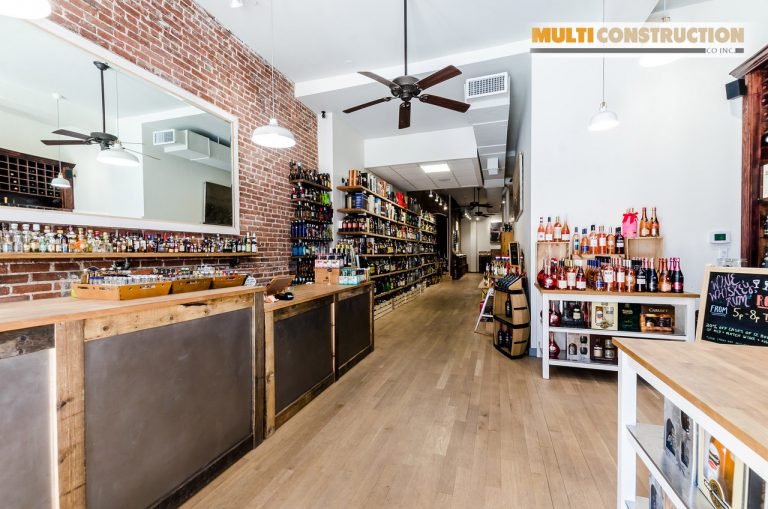
A full renovation of a prewar commercial space in Manhattan’s Upper West Side was transformed into a fully equipped wine and liquor store with optimized retail and storage design.
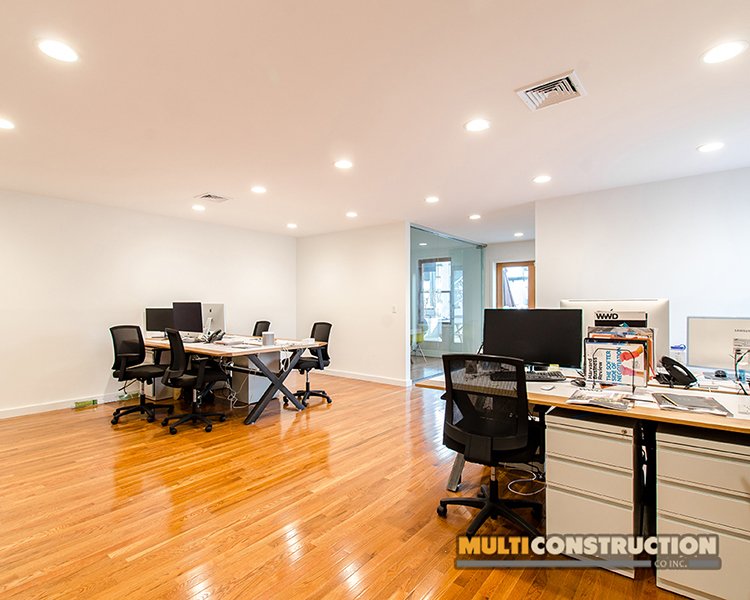
A complete renovation of a two-story corporate office, transforming the space into a modern, functional workplace with glass-partitioned rooms and upgraded interiors.
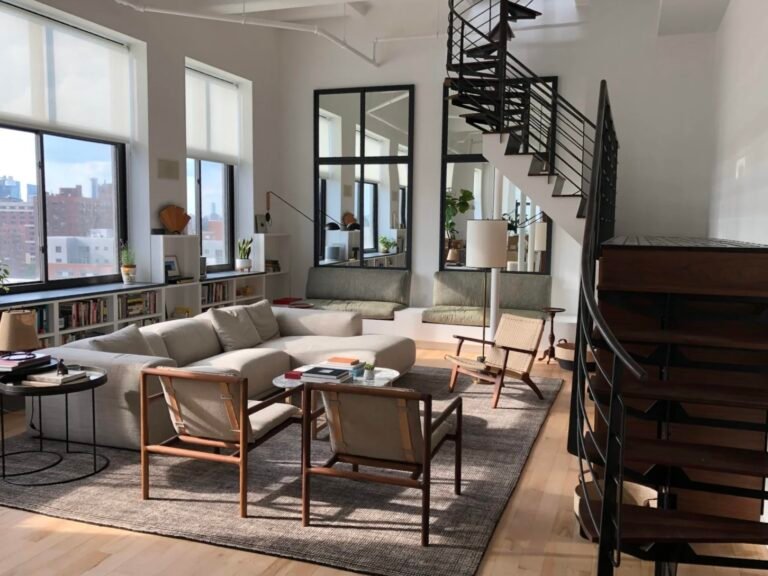
A Brooklyn loft apartment renovation blending industrial heritage with modern interior design, creating a refined yet inviting living space.
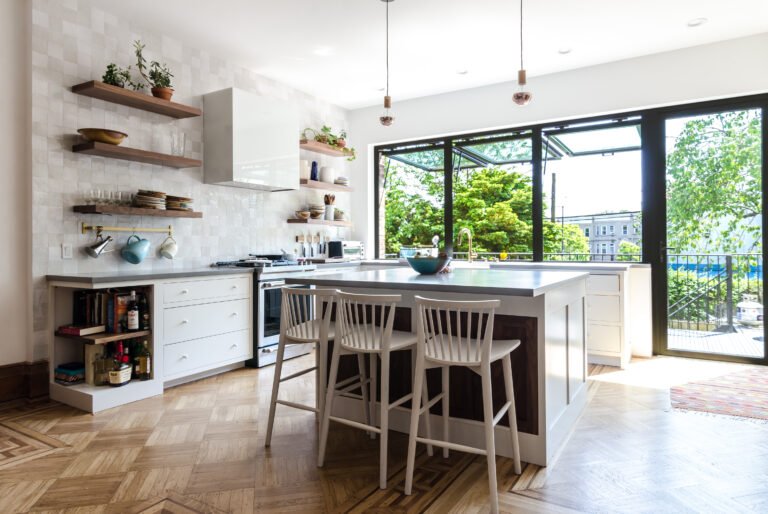
A complete brownstone renovation in Brooklyn featuring full interior design, structural upgrades, and high-end kitchen and bathroom transformations.
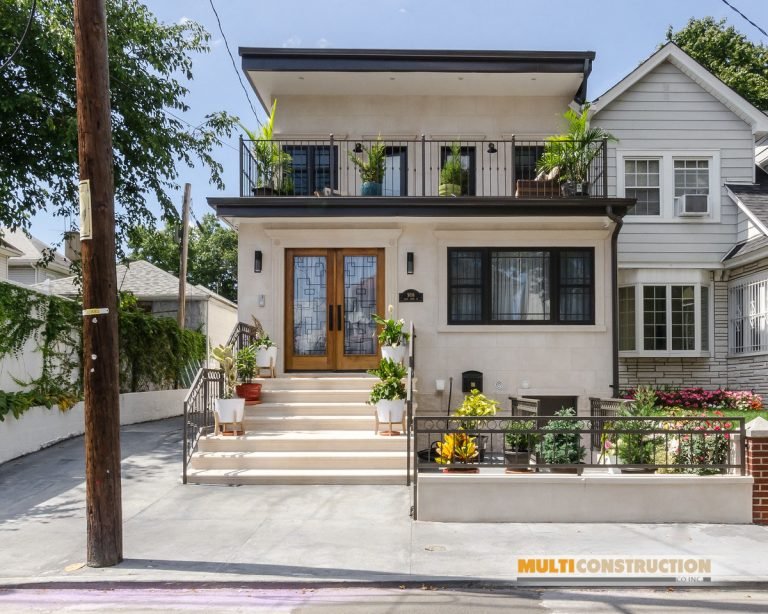
A full gut renovation project transforming the entire property into a modern, functional, and high-quality living space from the ground up.
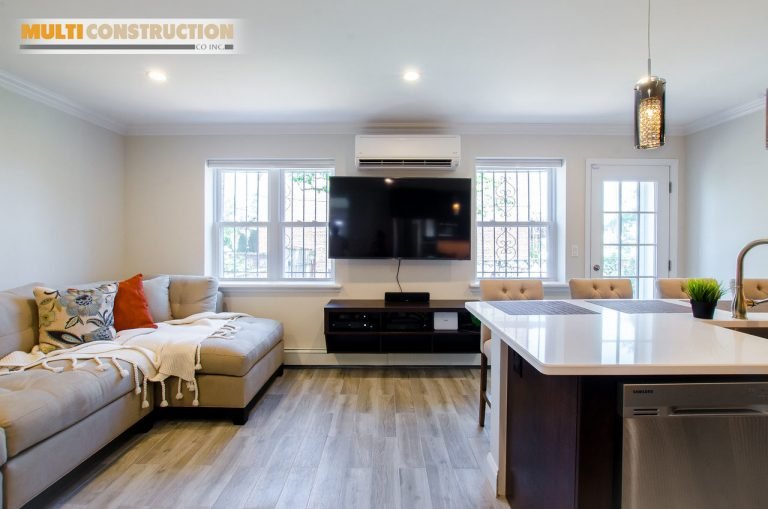
A comprehensive remodeling project covering both structural and finishing work across the 1st and 2nd floors, including interior upgrades, flooring, and exterior roofing improvements.
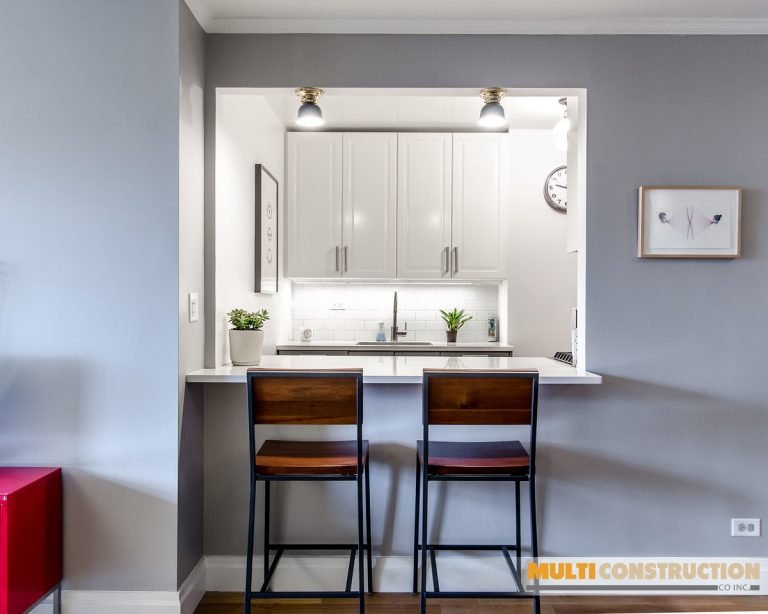
A full interior renovation focused on modernizing the kitchen and bathroom, complemented by upgraded flooring and high-quality finishing throughout the space.
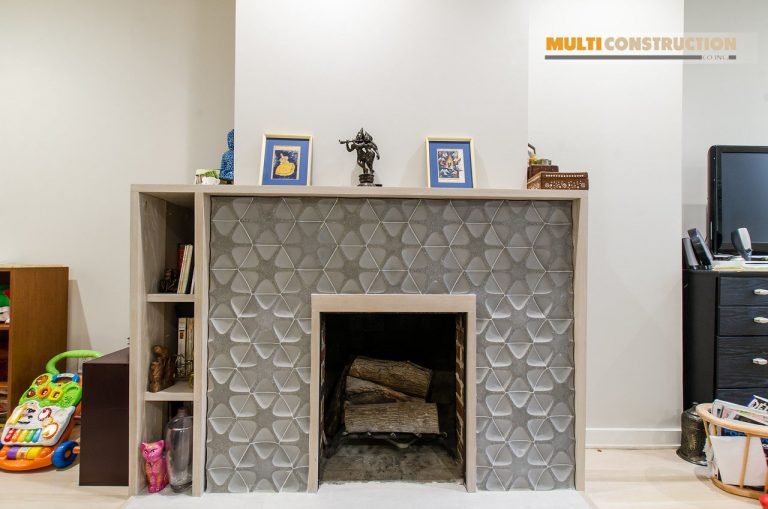
A complete kitchen and bathroom renovation combined with structural upgrades, flooring refinishing, and full interior finishing across the entire space.
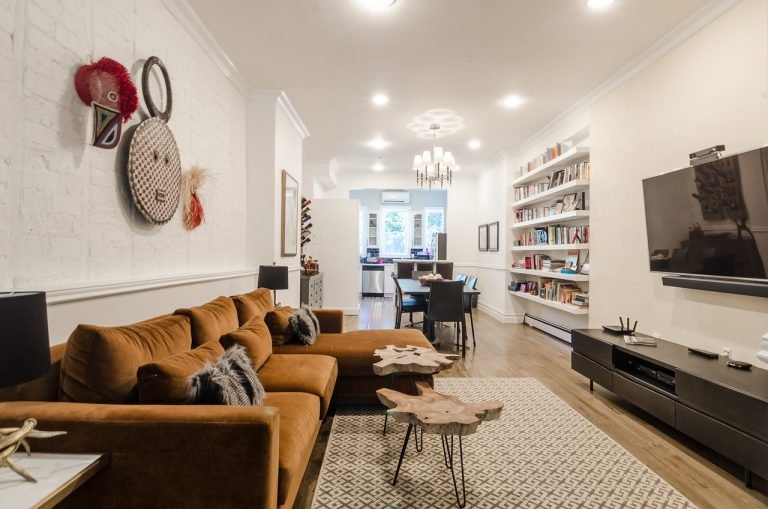
A full interior renovation of a Bedford Stuyvesant house, covering structural upgrades, kitchen and bathroom remodeling, plumbing improvements, and complete stair reconstruction.
GOOD Based on 36 reviews
 Posted on Yelp
 Blossom E.
Verified
I would highly recommend Shafayet and his team at Multi Construction. The job was an extensive gut and renovation of a 100+ year old five story building. The work included structural work to repair / replace old decaying beams and to add new support beams. The work included the relocation of 2 full new kitchens; all new internal plumbing; an upgraded electrical system; and the installation of split air conditioning systems throughout all 5 floors. The millwork / finishing / painting done by his team were meticulous, and we ended up 2 beautiful new apartments - a triplex with 2 bedrooms 2 baths, and a duplex with 2 bedrooms / 2 baths. Shafayet was always responsive to our inquiries / requests and provided solutions to the many problems that were encountered in a project of this size. He also coordinated well with the architect and third party vendors that were involved in this project too. His bid for the job was very reasonable compared to the bids of 4 other general contractors. Great value overall!Posted on Yelp Ioanis P.Shafayet gave a prompt and detailed estimate for a fairly big painting job. His crew did very good work, they showed up on time every day and even came on a weekend to complete the job. That was extremely helpful to me. Highly recommend their services.Posted on YelpMarlene S.Our brownstone coop hired Multi to paint the building and repair the wooden molding. Their price was competitive , but what really made us appreciate Multi was that they always did what they said. Their hands-on owner, Shafayet, was responsive and fully transparent, and even asked for a meeting when he sensed a disconnect regarding our expectations and the treatment we chose. For credibility we might say that his people are skilled, but that it's important to take care to monitor scaffolding people, whom Multi doesn't directly supervise. In our view he turned out to be exactly what we were hoping to find -- instead of IBM, a local, smallish outfit that led with scrappiness and responsiveness. Highly recommendedPosted on YelpGavin R.Shafayet is prompt, professional, knowledgeable, and receptive. He clearly understand my emergency situation and did a fantastic job meeting my deadline. I can say with confidence, that you will be satisfied with Shafayet and his team.Posted on Yelp
 Amy G.Multi construction did an amazing job on an interior job in our living room. The price was very competitive, they came in on budget and on time, the workers were highly skilled and the final project was great. I would recommend them without hesitation.Posted on Yelp
 Ian A.Multi Construction completed a gut renovation of our home that had not been renovated since the 1960s. Shafayet and his crew did a truly amazing job, and I am so thankful for all their time, care, and commitment to making our house special and beautiful. This was a big job. We installed 2 new kitchens, 2 new bathrooms, rebuilt the back wall of our house to add large windows, added a deck, skylights, and a bunch of other things in between. At every step, Shafayet worked hard to make sure the house turned out perfectly. I have nothing but the best things to say about our new home and the care Multi put in to make it right. For this type of work, we received bids from a number of different people. Multi priced everything very competitively and they are very transparent on costs for change orders. I recommend them highly, and I will be sending friends to them for years to come!Posted on Yelp
 Holly K.We have truly nothing but the best things to say about our partnership with Shafayet and our finished kitchen. The entire process was smooth from start to finish and I never experienced one ounce of unprofessionalism from Shafayet or ANYONE on his team. In fact, in many instances, Shafayet and his team went above and beyond what we asked of them with no battles or complaints. Some details: *Shafayet employs skilled, honest, confident and respectful PROFESSIONALS. We were warned when we received Shafayet's quote that 1-2 guys would be doing ALL the work (demo, plumbing, painting, electrical, etc.). That is NOT the case at all. Anthony, who installed our cabinets, puts his heart and soul into the work, and it was not a clearcut, easy job. He will not put in a single screw until he knows it's perfect or can explain any issues he may foresee. Anthony never cut a corner. And Glenn, the electrician, is one of the nicest human beings I've met, but also a really skilled electrician. He knows what he has to do to get the job done, which ultimately makes you feel like you're in good hands. *Shafayet is a busy guy but always responded to my calls and my texts in a timely manner. A renovation is stressful enough, I can't imagine the added stress of not being able to communicate with your GC (and trust me, we had that with other vendors - unrelated to Multi Construction Co- during this renovation). *Shafayet is flexible. I told Shafayet from the beginning that I had my own painter and wallpaper-er. He was fine with that. Many of GCs we interviewed said it had to be their whole team or they wouldn't do it. I can see the efficiencies of having one team for the whole project, but Shafayet put that aside to please us. *Shafayet keeps a close eye on all of his projects and delegates appropriately. Shafayet was not in our home every single day, but he was always there on important days and he would check in on progress every few days. He holds his guys to a high standard of quality in their work. *The best way to build a relationship with Shafayet is to simply treat him the way you want to be treated. I have read some of the poor reviews on Yelp here and can honestly say I do not share one iota of their experience. I'm not sure if they approached Shafayet in a manner that quickly put him on the defense or he felt was condescending. But I felt and I believe Shafayet felt that we were on equal ground and that made our working relationship successful. I treated all my interactions with him with respect and I feel he did the same back. I would be thrilled to work with Shafayet and his team again and highly recommend him for other jobs.Posted on Yelp
 David B.CHRIS came the very next morning and got me up and running!!! Quick and efficient ... in and out!!! Replaced some parts and the price was reasonable ... I would definitely call the for future problems... but hopefully won't have to...
We visit your premises, assess what’s actually possible inside your building, and give you a realistic scope, timeline, and cost before you commit to anything.
Have questions? We’ve answered some of the most common ones.
Not with Multi-Construction Co. Design and construction are managed under one team, which means design decisions are made with construction knowledge and executed without a handoff. That continuity is what keeps design intent intact.
Yes. Board submission documentation is prepared as part of our standard design scope. NYC co-op and condo boards have specific requirements — these are addressed in the design and documentation phase, not discovered during review.
No. Focused renovations — a single room, a kitchen, a primary bathroom — benefit from the same design discipline. Smaller projects have less margin for revision, which makes early design resolution more important, not less.
Before it. Design should establish the construction scope, not respond to it. Engaging design after construction planning is underway produces the compromises most clients are trying to avoid.

